Essential Post-Construction Cleaning Tools Every London Homeowner Should Know About
By Quick Errands – House Cleaning & Post-Construction Cleaning in London
Renovating your home is exciting. You finally get to enjoy a fresh look, new flooring, upgraded lighting, or even a redesigned kitchen. However, once the builders leave, you are faced with something every London homeowner knows too well — dust, debris, paint splatters, and construction residue everywhere.
This is exactly where post-construction cleaning becomes crucial. And even though many homeowners try to manage the process themselves, the truth is simple: you need the right tools. Without proper equipment, the cleaning becomes frustrating, exhausting, and sometimes even unsafe.
That’s why in this in-depth guide, we’ll walk you through the essential post-construction cleaning tools every London homeowner should know about. Whether you want to clean it yourself or simply understand the process better, this article will give you everything you need — clearly, naturally, and step-by-step.

Why the Right Tools Matter After Construction
Before we explore the specific tools, it’s helpful to understand why proper equipment is so important.
Even a small renovation can leave behind:
Fine construction dust
Sharp debris
Adhesive residue
Paint drops
Drywall powder
Cement haze
Sawdust in corners
Hazardous particles floating in the air
Unlike regular cleaning, post-construction cleaning needs specialized tools designed to remove heavy dirt without damaging surfaces.
Moreover, London homes — particularly older Victorian and Georgian properties — require extra care because:
Walls can be delicate
Flooring may be hardwood or original tile
Sash windows trap dust easily
Narrow hallways and tight corners collect debris
For this reason, using the correct tools not only saves time but also protects your investment.
Top Essential Post-Construction Cleaning Tools Every London Homeowner Should Know About
Below is a detailed list of the most essential tools used by professional teams like Quick Errands to achieve spotless results after building work.
1. Industrial-Grade Vacuum Cleaner (HEPA Filter)
If there is one must-have tool after construction, it’s an industrial vacuum with a HEPA filter.
Why it’s essential:
It traps microscopic dust particles
Prevents dust from circulating in the air
Removes sawdust, drywall powder, and fine debris
Protects people with allergies or asthma
Keeps your home safe and breathable
HEPA filtration is particularly important because construction dust can be harmful, especially in old London homes where materials may include old paint or insulation residue.
2. Microfiber Dusting Cloths & Mops
Regular cloths simply spread dust around. Microfiber cloths capture it.
Why you need them:
They pick up tiny dust particles
They don’t scratch surfaces
They work well on wood, metal, and glass
They reduce the need for strong chemicals
Microfiber mops are also very useful for hardwood floors and tiles after the initial heavy vacuuming.
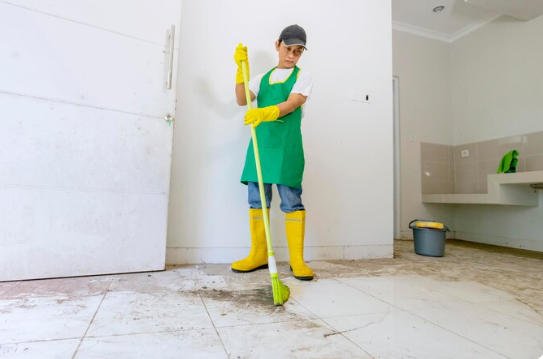
3. Heavy-Duty Brooms and Brushes
Before the detailed cleaning starts, you must remove larger debris.
These include:
Stiff-bristle broom
Long-handle floor brush
Hand brush for tight areas
Grout brush for stubborn dirt
Heavy-duty brooms are perfect for sweeping dust piles, wood shavings, broken plaster, and leftover packaging materials.
4. Protective Gear (PPE)
Even though many homeowners forget about it, safety equipment is essential.
Must-have protective items:
Safety goggles
Dust mask or respirator
Thick gloves
Shoe covers
Disposable overalls
Construction dust is not like everyday dust — it can irritate your skin, lungs, and eyes. PPE ensures you stay safe while cleaning.
5. Scrapers and Putty Knives
These tools help remove stubborn marks without damaging surfaces.
Useful for:
Paint splatters
Glue and adhesive
Silicone residue
Labels and stickers
Dried cement drips
A high-quality scraper helps clean windows, tiles, and countertops effectively.
6. Bucket with Warm Water & Cleaning Solutions
Once the dust is under control, surface cleaning begins. A sturdy bucket paired with mild yet effective cleaning products is essential.
Recommended cleaning solutions:
Multi-surface cleaner
Glass cleaner
Floor-safe detergent
Degreaser (for kitchens)
Lime-scale remover for bathrooms
Always choose products safe for your specific surfaces — especially if you live in a historic London home.
7. Steam Cleaner
More London homeowners are now using steam cleaners because they offer a deep and natural clean without strong chemicals.
Why steam cleaning is helpful:
Removes grime and bacteria
Breaks down sticky residue
Cleans tiles, floors, and bathroom fixtures
Safe for many surfaces
Eco-friendly and kid-safe
This tool is especially helpful for bathrooms and kitchens after renovation.
8. Extension Poles & High-Reach Tools
London homes, particularly Victorian houses, often have high ceilings.
You will need tools such as:
Extension poles
High-reach dusters
Telescoping brushes
These help clean crown mouldings, ceiling corners, vents, and light fixtures where construction dust hides.
9. Plastic Sheeting & Drop Cloths
Not exactly cleaning tools — but essential for protecting your space during the cleaning process.
Uses:
Covering furniture
Protecting floors
Sealing off rooms
Reducing dust spread
Professionals often use these even after builders have left to prevent re-contamination during deep cleaning.
10. Window Cleaning Tools
Construction leaves windows cloudy and dusty. Therefore, you need:
Squeegees
Glass scrapers (with caution)
Lint-free cloths
Eco-friendly glass cleaner
Clear windows dramatically improve the final look of your newly renovated home.
11. Air Purifier or Dust Extractor
This is not mandatory but highly beneficial, especially if:
Your home is large
Construction was extensive
Anyone has allergies
You have babies or elderly family members
Air purifiers with HEPA filters remove dust from the air and help speed up the entire cleanup process.
12. Floor Care Tools
Depending on your flooring type, you may need:
For hardwood floors:
Microfiber flat mop
Wood-safe cleaner
For tiles:
Grout brush
Steam cleaner
For carpets:
Professional carpet extractor
Wet/dry vacuum
Proper floor care tools ensure a polished and safe result.
How Professionals Use These Tools: A Step-By-Step Overview
To help you understand the full process, here’s how professional cleaners like Quick Errands typically handle a post-construction job in London.
Step 1: Initial Debris Removal
Using brooms, heavy-duty brushes, buckets, and waste bags, cleaners remove large debris like:
Plaster chunks
Broken tiles
Packaging
Sawdust piles
Step 2: Dust Management (Most Important Step)
This is where HEPA vacuums, microfiber cloths, and extension dusters come in. Every corner, wall, vent, windowsill, and light fixture gets dusted.
Step 3: Deep Surface Cleaning
Scrapers, steam cleaners, and safe cleaning solutions are used on:
Kitchen surfaces
Bathroom fittings
Doors and frames
Skirting boards
Glass partitions
Tiles and grout
Step 4: Floor Cleaning
Depending on the flooring type, professionals use:
Wet vacuum
Extractor machine
Mop and detergent
Steam cleaner
Polishers (if needed)
Step 5: Final Touch-Ups
This includes:
Cleaning switches and sockets
Polishing chrome fittings
Refreshing windows
Air freshening
Final dust check
FAQs – Short & Helpful Answers
1. What is the most important tool for post-construction cleaning?
A HEPA vacuum cleaner is the most important because it removes fine dust that normal vacuums cannot handle.
2. Are microfiber cloths better for construction dust?
Yes. Microfiber traps dust instead of spreading it, making cleaning quicker and safer.
3. Do I need a steam cleaner after renovation?
Not always, but it helps remove sticky residue, sanitize surfaces, and clean tiles without harsh chemicals.
4. How long does post-construction cleaning take?
It depends on the size of your home, but typically 4 to 12 hours for light jobs and up to 2 days for bigger renovations.
5. Should I hire professional cleaners after construction?
If you want a fast, safe, and flawless result, hiring professionals is highly recommended. Construction dust is difficult to remove without the right tools.
Need Post-Construction or House Cleaning in London?
If you’ve recently renovated or simply want a spotless home, Quick Errands is here to help. We provide professional, reliable, affordable post-construction cleaning and house cleaning services across London.
You focus on enjoying your beautiful new home — we’ll handle the cleaning.
Contact Us for Your House Cleaning service in London
Company Name: Quick Errands
Address: Princess Alice Way, London SE28 0HQ, United Kingdom
Phone: +44 20 8050 2379
Visit our website: Click here
Find Us On Map: View On Google Map
More Details: Click Now


Comments